

Automotive
Bike Dealership Lead Follow-Up: From Price Enquiry to Test Ride
The buyer asked for the on-road price. Answer clearly, learn which variant they mean and make the next step easier without pushing the same offer repeatedly.
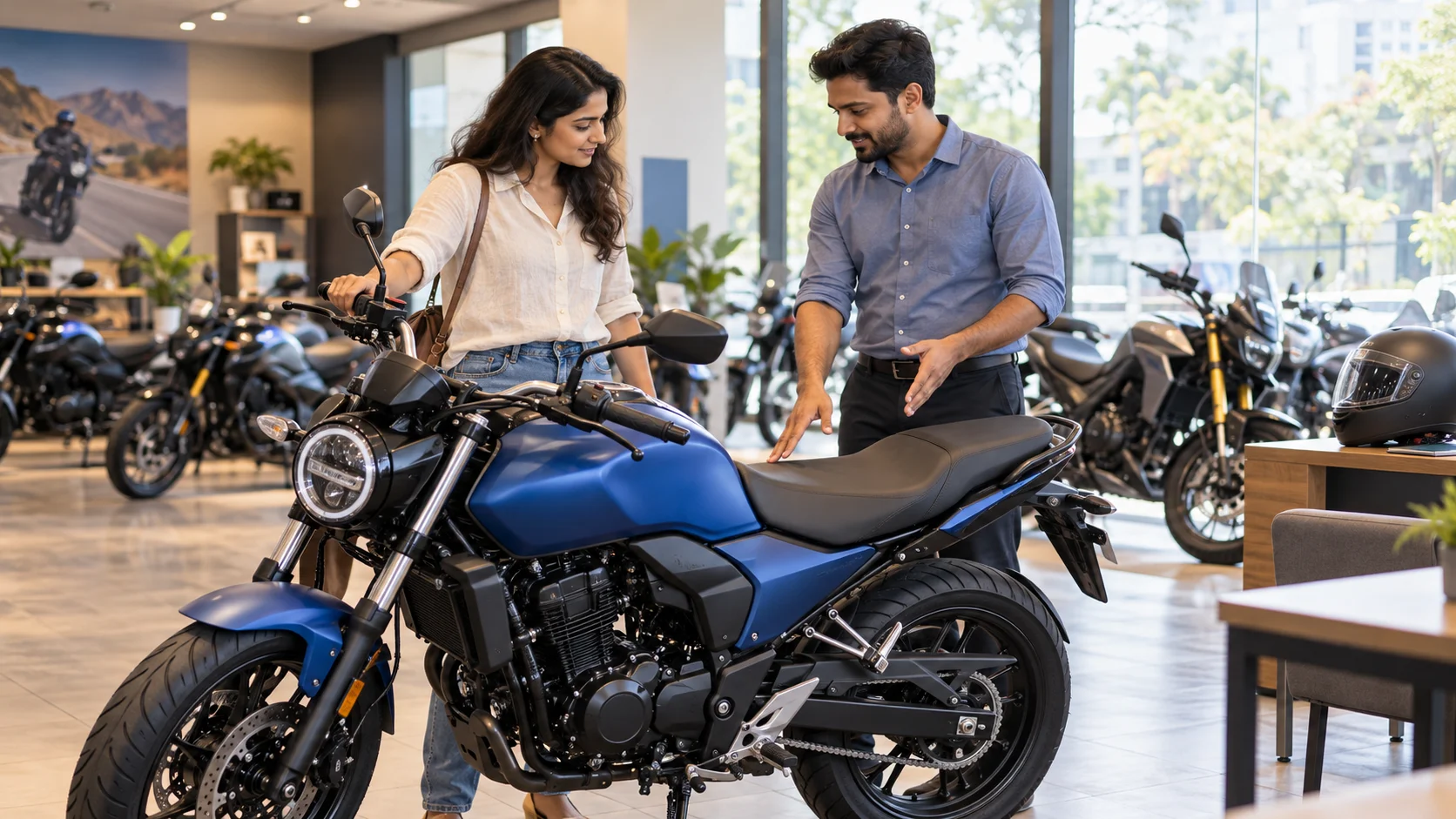
“What is the on-road price?”
For a bike showroom, that question may arrive from an advert, a website form or a WhatsApp conversation. It is tempting to treat it as a request for the standard price sheet and nothing more.
But the buyer may mean a different variant, be asking about another registration location or be comparing a model they have never sat on. A helpful reply gives them a clear price basis and a next step that fits their question.
Bike dealership lead follow-up should connect those details: enquiry, quotation, showroom visit, test ride and the buyer's decision.
Make the price answer understandable
Share the current approved quotation for the exact model and variant. Explain what it includes and which items are optional, estimated or still require confirmation. Do not present an old promotional figure as a current final price.
If you need one detail to prepare the right quote, ask for it directly:
“I can send the current price breakdown. Which variant are you considering, and where would the vehicle be registered?”
This is an example, not a price offer. Your actual response should reflect the dealership's verified quotation process.
Keep finance questions with the authorised team. A conversational assistant should not improvise an interest rate, approval outcome or monthly payment to keep someone engaged.
Remember what they are comparing
Ask enough to understand the purchase without turning the chat into an interrogation. Useful details may include the preferred model, variant, colour, intended use, expected buying window and whether the person wants a showroom visit or test ride.
A commuter comparing daily practicality needs a different discussion from someone deciding between two touring models. If a buyer has already named the model and colour, save those answers rather than asking for them again on the next call.
Record preferences as preferences. “Interested in blue” does not reserve a blue vehicle. Delivery timing, stock and reservation terms should be confirmed through the dealership's normal process.
Offer a test ride when it answers a question
A test ride is a useful next step when the buyer wants to understand the riding position, feel or practical suitability. It is less useful to push a visit before answering the straightforward question they asked first.
Confirm that the relevant demonstrator and a staff member are available before offering a specific slot. Explain the dealership's test-ride requirements through its approved process, without asking for sensitive documents in an ordinary marketing chat.
An illustrative invitation:
“You mentioned wanting to compare the riding position. Would you like me to check a test-ride slot for that model, or would you prefer the variant comparison first?”
Once the buyer chooses, give the next action an owner. A promise to “check and call back” should not disappear when the shift changes.
Keep the booking and the actual ride separate
Record a confirmed test ride separately from a completed one. After the slot, staff should update what happened: attended, rescheduled, cancelled or did not attend.
For a completed ride, record the buyer's unanswered question in their own terms. Perhaps they want another variant, need time to compare or want a person to explain the quotation.
For a missed visit, offer a simple choice rather than assuming rejection. Our guide to follow-up after an unanswered call explains the same distinction: record the event before deciding what it means.
Follow up on one unresolved point
A useful next message refers to the conversation. “Would you like the updated quotation for the variant you tried?” is easier to answer than “When are you booking?” when the price is still unclear.
Share stock, delivery or offer updates only after verifying them. Avoid repeated scarcity messages, especially when the supposed deadline is not real.
When a booking is confirmed, stop the enquiry sequence. Move to the appropriate booking and delivery communication. Respect requests to pause or end contact, and follow the current WhatsApp policy where that channel is used.
Give the showroom a connected record
SHVYA combines CRM context with AI Playbooks, Cadence and Workflows for configured sales journeys. Your team can organise the buyer's preferences, approved answers and next actions, with a human handling commercial exceptions.
Start by reviewing a small set of recent enquiries. Can the next advisor see the exact variant, the quote shared, whether a ride happened and the next promised action? Fix those gaps before adding more messages.
Explore SHVYA's capabilities or book a demo to map the handoff from an online enquiry to your showroom team.